Understanding Septic System Installation in Rocky Mount, NC
- prosprayllc
- Dec 8, 2025
- 4 min read
Septic systems are an essential part of many homes, especially in areas where municipal sewage systems are not available. In Rocky Mount, NC, understanding the installation process of a septic system can save homeowners time, money, and potential headaches down the road. This guide will walk you through the key aspects of septic system installation, including what to expect, the steps involved, and important considerations to keep in mind.

What is a Septic System?
A septic system is a self-contained, underground wastewater treatment system. It is designed to treat and dispose of household sewage in a safe and environmentally friendly manner. The system typically consists of a septic tank and a drain field.
Components of a Septic System
Septic Tank: This is a watertight container that holds wastewater from your home. It allows solids to settle at the bottom, forming sludge, while lighter materials like grease float to the top, creating scum. The tank is designed to hold waste long enough for solids to break down through natural bacterial processes.
Drain Field: Also known as a leach field, this is a series of trenches filled with gravel or sand where the liquid effluent from the septic tank is dispersed into the soil. The soil acts as a natural filter, treating the wastewater before it reaches the groundwater.
Soil: The type of soil in your yard plays a crucial role in the effectiveness of your septic system. Well-drained soil is ideal for the drain field, while clay or rocky soil can hinder the system's performance.
Why is Proper Installation Important?
Improper installation of a septic system can lead to a variety of issues, including:
System Failure: A poorly installed system may not function correctly, leading to backups and costly repairs.
Environmental Impact: If wastewater is not treated properly, it can contaminate local water sources, posing health risks to the community.
Legal Issues: In many areas, including Rocky Mount, there are strict regulations governing septic system installation. Failing to comply can result in fines or the need for costly modifications.
Steps Involved in Septic System Installation
1. Site Evaluation
Before installation begins, a site evaluation is necessary. This involves assessing the property to determine the best location for the septic system. Factors to consider include:
Soil Type: A soil test will determine the absorption rate and help identify the best location for the drain field.
Proximity to Water Sources: The system must be installed at a safe distance from wells, streams, and other water sources to prevent contamination.
Topography: The slope of the land can affect drainage and the overall effectiveness of the system.
2. Design and Permitting
Once the site evaluation is complete, a septic system design must be created. This design will outline the size and type of system needed based on the number of bedrooms in the home and the results of the soil test. After the design is finalized, homeowners must obtain the necessary permits from local authorities before proceeding.
3. Excavation
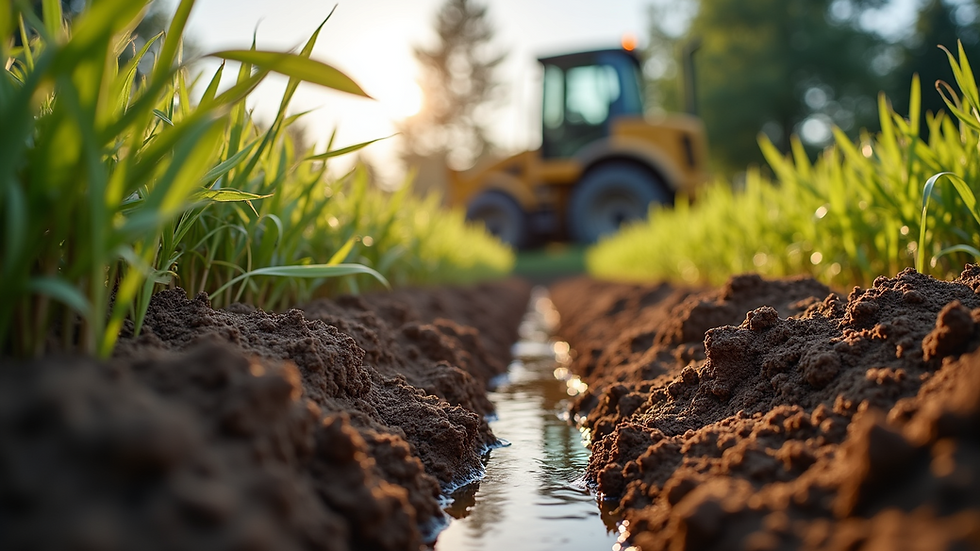
With permits in hand, the next step is excavation. This involves digging a hole for the septic tank and trenches for the drain field. The depth and size of the excavation will depend on the specific design of the system.
4. Installation of the Septic Tank
The septic tank is then placed in the excavated hole. It must be level and properly connected to the home's plumbing system. The tank should also be accessible for maintenance and pumping.
5. Installation of the Drain Field
After the tank is in place, the drain field is constructed. Trenches are filled with gravel or sand, and perforated pipes are laid to allow effluent to flow into the soil. The drain field must be carefully designed to ensure proper drainage and prevent flooding.
6. Backfilling and Final Grading
Once the tank and drain field are installed, the excavated areas are backfilled with soil. The final grading ensures proper drainage away from the septic system and the home.
7. Inspection
Before the system can be used, it must be inspected by local authorities to ensure it meets all regulations and is functioning correctly. This step is crucial for obtaining final approval and ensuring the system is safe for use.
Maintenance of Your Septic System
Proper maintenance is essential for the longevity and effectiveness of your septic system. Here are some tips to keep your system in good working order:
Regular Pumping: The septic tank should be pumped every 3 to 5 years, depending on usage. This prevents sludge buildup and system failure.
Water Conservation: Reducing water usage can help prevent overloading the system. Simple changes, such as fixing leaks and using water-efficient fixtures, can make a big difference.
Avoiding Harmful Chemicals: Do not flush chemicals, grease, or non-biodegradable items down the toilet. These can disrupt the natural bacterial processes in the tank.
Protecting the Drain Field: Avoid parking vehicles or placing heavy objects on the drain field, as this can compact the soil and hinder drainage.
Common Myths About Septic Systems
Myth 1: Septic Systems are Maintenance-Free
Many people believe that once a septic system is installed, it requires no further attention. This is far from the truth. Regular maintenance is crucial for preventing costly repairs and ensuring the system functions properly.
Myth 2: You Can Use Any Cleaning Products
While many household cleaning products are safe for septic systems, some can harm the beneficial bacteria that break down waste. Always check labels and opt for septic-safe products when possible.
Myth 3: Septic Systems are Only for Rural Areas
While septic systems are more common in rural areas, they can also be found in suburban settings where municipal sewage systems are not available.
Conclusion
Installing a septic system in Rocky Mount, NC, is a significant investment that requires careful planning and execution. By understanding the installation process and the importance of proper maintenance, homeowners can ensure their septic systems operate efficiently and safely for years to come. If you're considering a septic system installation, consult with local professionals to guide you through the process and ensure compliance with all regulations. Taking these steps will help protect your investment and the environment.

Comments